The ₹22,000-Crore Rebuild: What Nashik and Trimbakeshwar Are Constructing for Kumbh 2027
The Headline Number, and Why It Keeps Changing
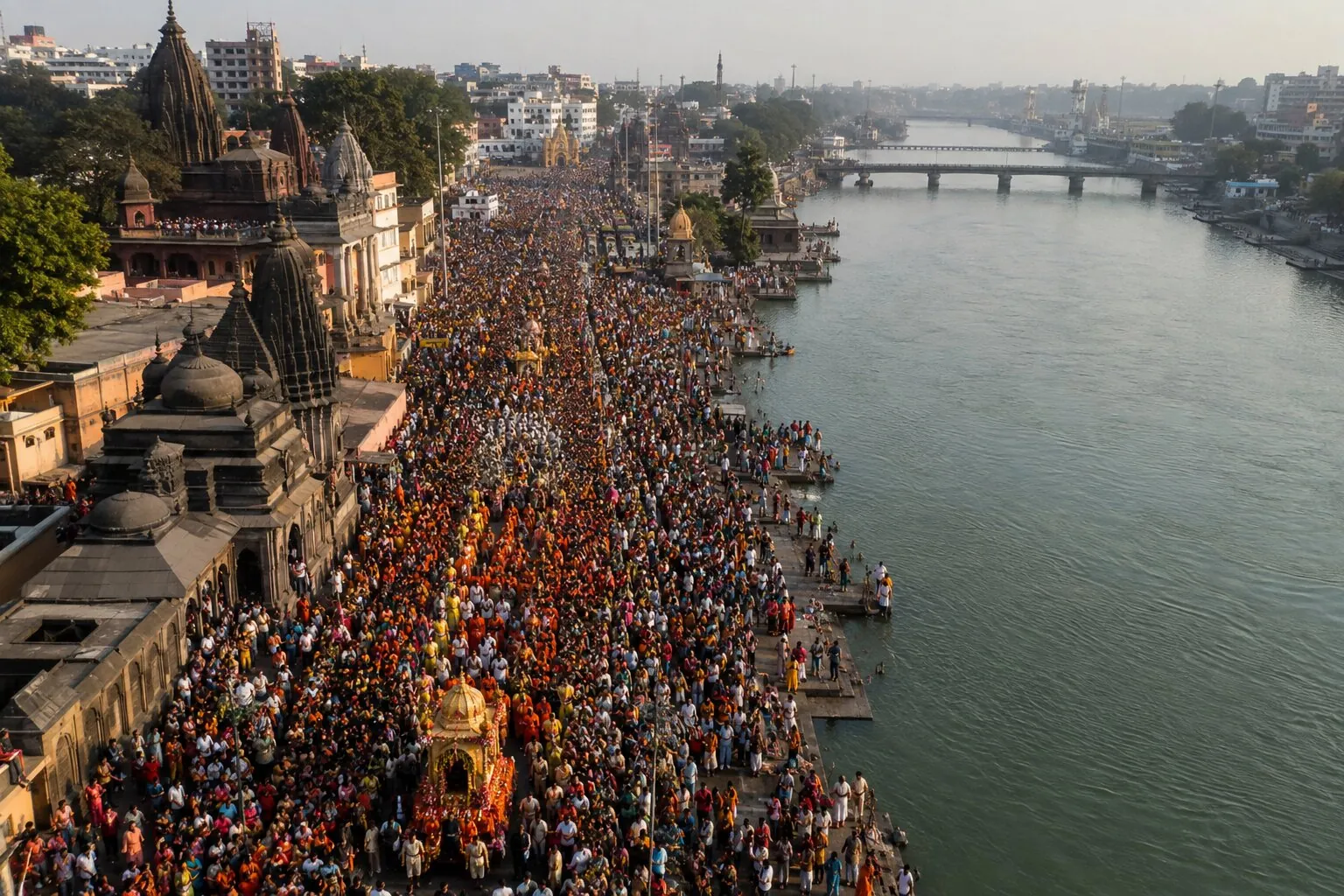
Different figures have appeared in reporting through 2025 and 2026 — from around ₹22,000 crore for the core plan to ₹34,000 crore and higher once related state and central allocations are counted. The moving target is normal for a project of this scale: the plan is a bundle of dozens of separate works across two municipal bodies, and line items are added, split and re-costed as tenders are awarded. The reliable takeaway is not the exact rupee figure but the scope — this is the largest single civic-works programme Nashik district has seen, aimed at a gathering officials expect to draw on the order of ten to twelve crore visitors.
Roads and Movement
The Nashik Municipal Corporation has announced a multi-phase roads programme — reported at around ₹2,100 crore — covering dozens of the city’s most critical stretches, including the inner, middle and outer ring roads, to be resurfaced and widened in phases before the festival. Alongside that sit new and upgraded approach roads to the ghats, additional parking grounds on the city fringe, and a shuttle-bus plan to move pilgrims across the vehicle-restriction zones on peak days. For a visitor, the practical effect should be smoother arrival by road in 2027 than the state of the roads in 2025 or 2026 might suggest.
Water, Sewage and the River Itself
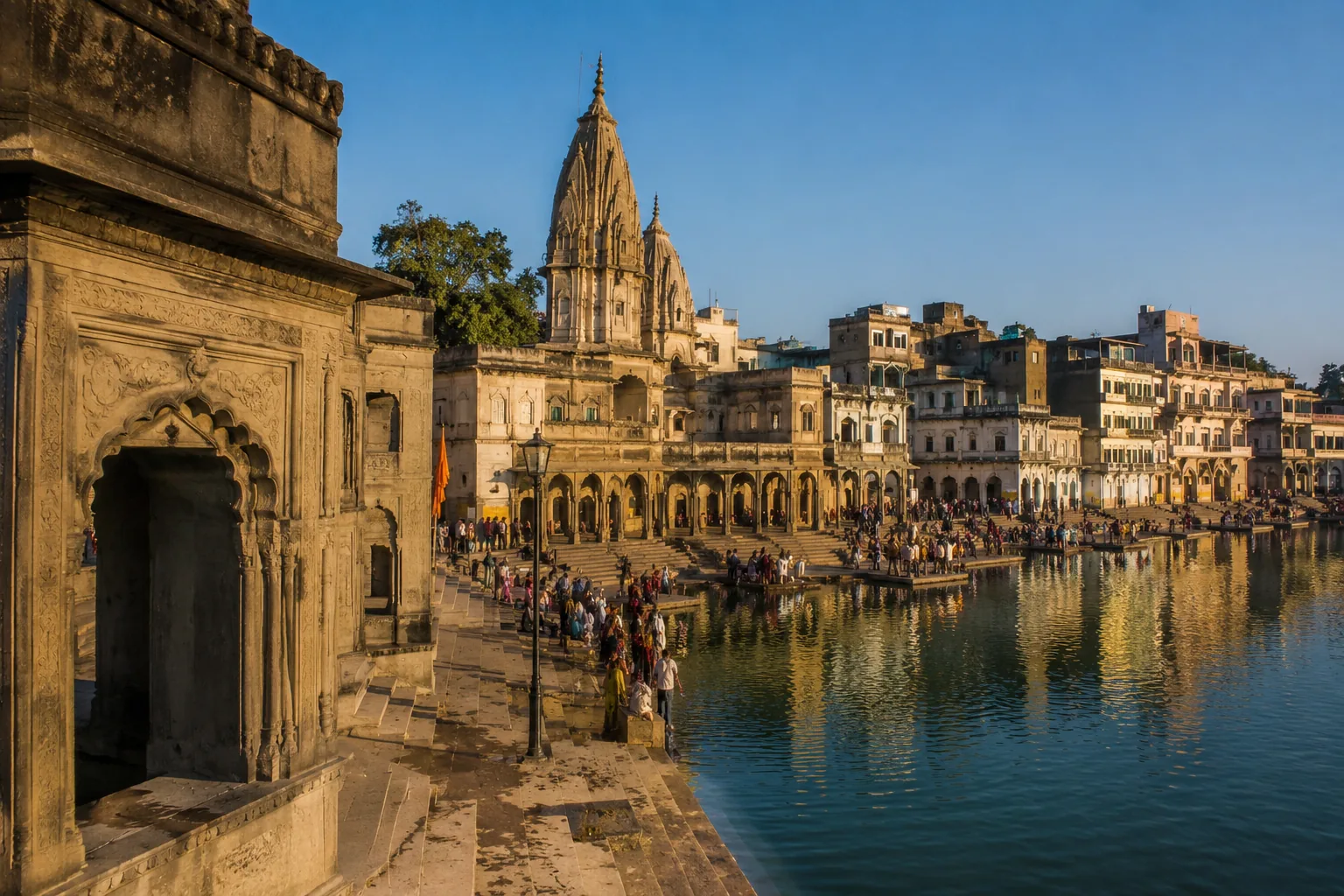
A large share of the budget is unglamorous but central: sewage treatment plants, pumping stations and diversion works across the nullahs that drain into the Godavari, reported at around ₹1,475 crore, plus a new water treatment plant at Vilholi rated at 274 million litres a day to keep the city supplied even at peak visitor numbers. The goal that matters to a bathing pilgrim is water quality at Ramkund and along the Godavari during the Snan dates — the diversion works are specifically meant to keep untreated discharge out of the river during the festival.
The “Digital Kumbh” Layer
The state has said 2027 will be its most technology-enabled Kumbh. Announced elements include an integrated command-and-control centre for crowd and traffic monitoring, AI-assisted crowd-density analysis at the ghats, smart-parking systems, and a pilgrim mobile app intended to show real-time crowd levels at Ramkund and Kushavarta so visitors can time their bath. A dedicated Kumbh Mela Authority has also been proposed to run the event. How much of this is fully working by August 2027 is the open question, but even partial delivery would meaningfully change how a first-time visitor navigates the crowd.
What a Visitor Should Take From This
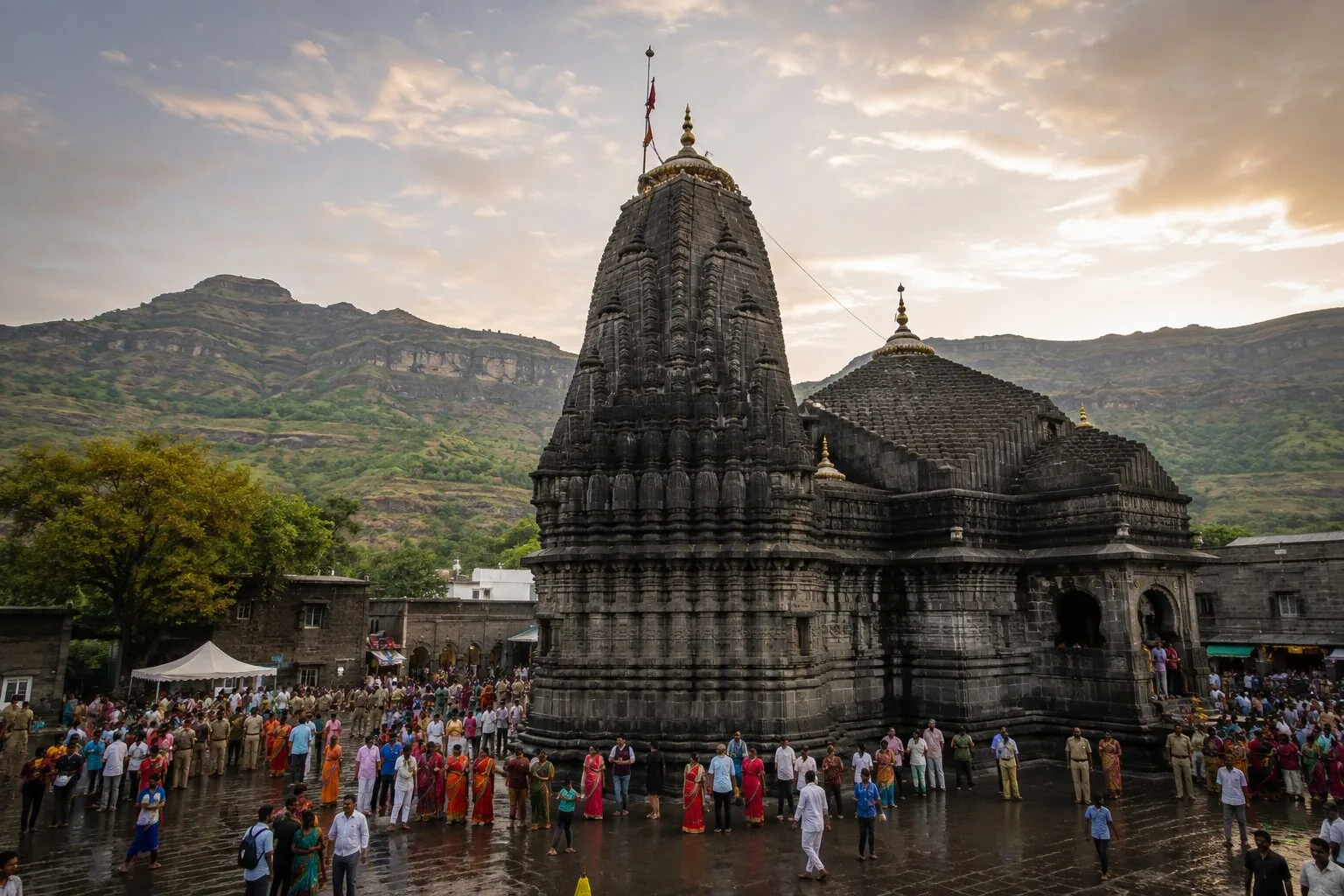
Two things. First, if you visited Nashik or Trimbakeshwar in 2025 or 2026 and found roads dug up and areas under construction, that is the plan in progress, not a sign the town will not be ready — the stated deadline for construction is early 2027 with operational readiness by around April. Second, build slack into your own plans anyway. Large infrastructure programmes slip, and the pilgrim who arrives a day early, keeps their itinerary flexible and does not depend on any single new facility being finished will have the easiest festival regardless of how the works land.
Experience Nashik Kumbh 2027 in comfort, safety and spiritual depth — Kumbh Ganga Retreat, 3 km from Trimbakeshwar Temple.
✦ Book Your Sacred Stay