Two Sacred Sites, 30 km Apart: Planning a Nashik Kumbh 2027 Trip That Covers Both
Why There Are Two Bathing Sites
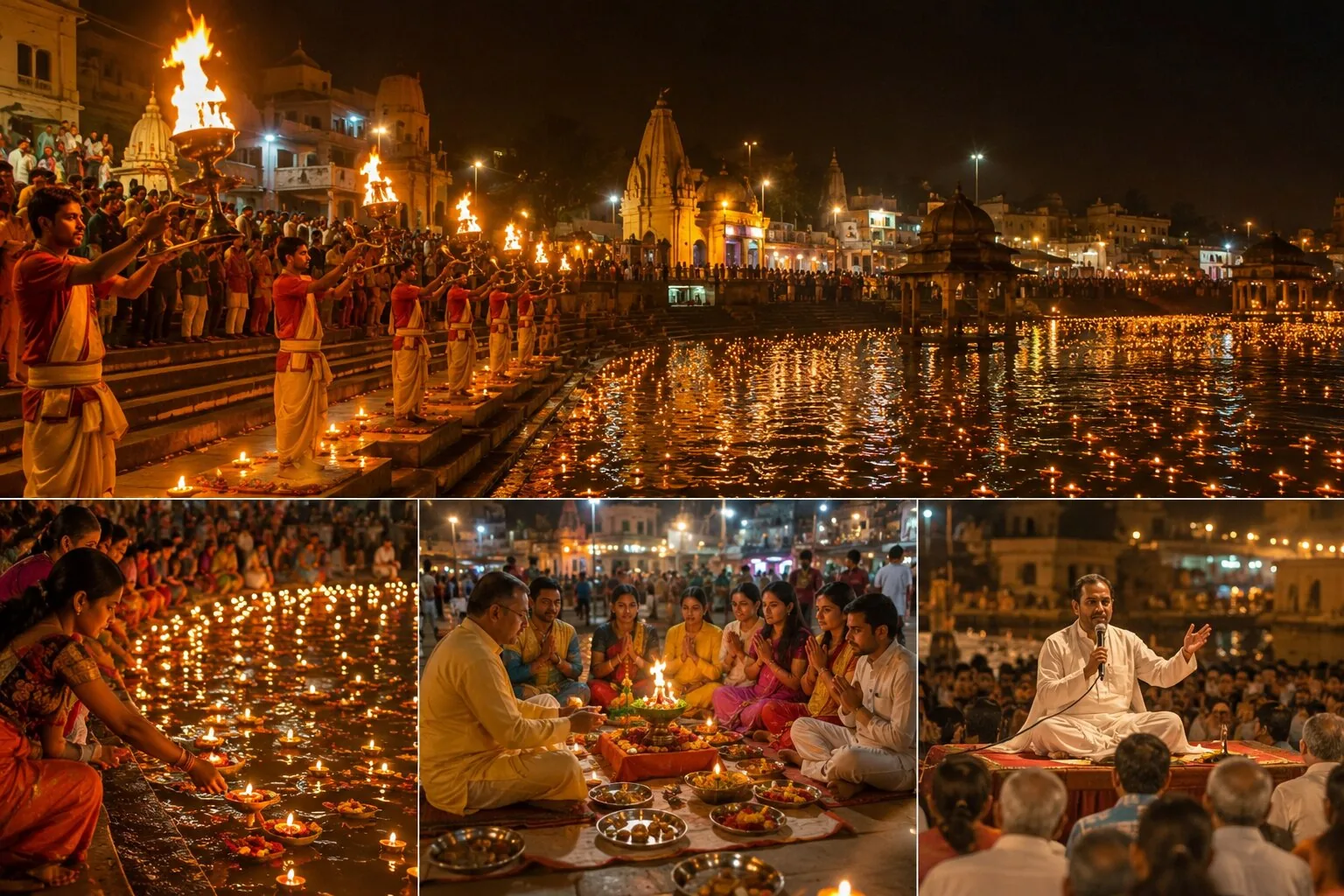
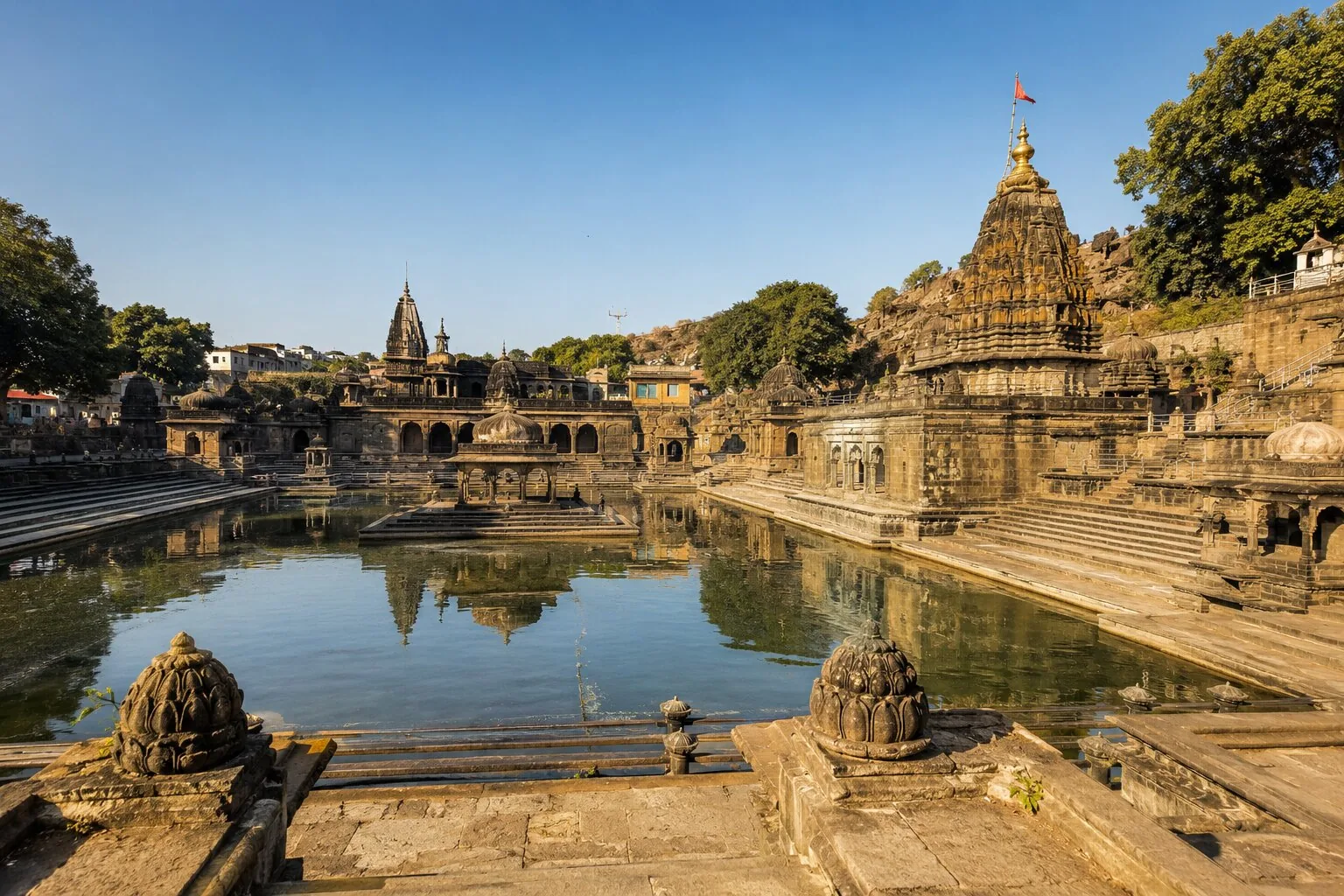
Unlike Prayagraj, where the entire Kumbh centres on a single sangam, the Nashik Simhastha is spread across two towns. The Godavari rises at Brahmagiri hill above Trimbakeshwar, where pilgrims bathe at Kushavarta Kund, the stone tank regarded as the river’s ritual source. About 30 km east, the river reaches Nashik city, where the principal bathing ghat is Ramkund on the Panchavati bank. Both are Simhastha bathing sites, and the akharas themselves are divided between them: the Shaiva akharas process and bathe primarily at Trimbakeshwar, while the Vaishnava akharas are centred on Ramkund in Nashik.
What That Means for Your Itinerary
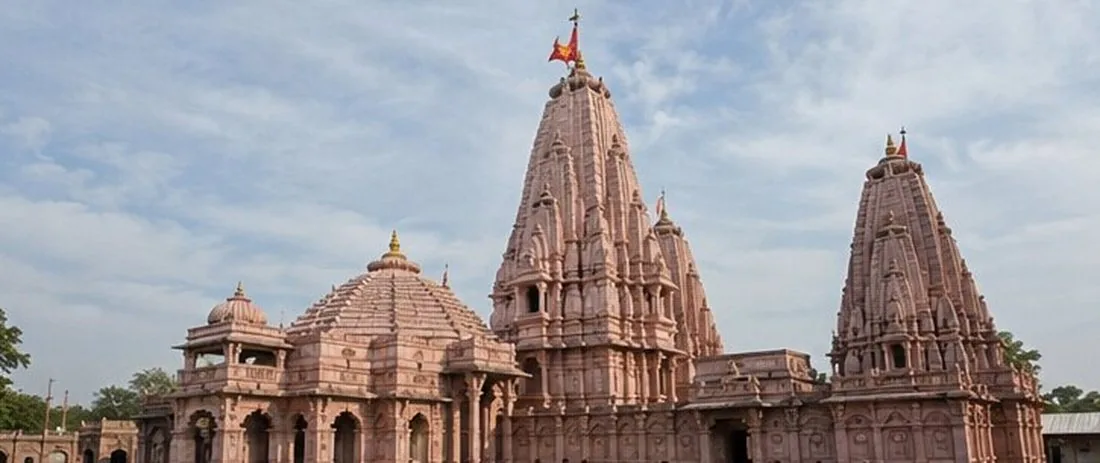
For most pilgrims the honest answer is that you do not need to bathe at both to have completed the pilgrimage — a single sincere Snan at either site on an auspicious date is the tradition. But many visitors want to see both, partly for the darshan and partly because the two places feel genuinely different: Trimbakeshwar is a compact temple town wrapped around one of the twelve Jyotirlingas, while Nashik is a large city with the Panchavati Ramayana circuit, Sita Gufa and the Kalaram temple close to the ghat. If seeing both matters to you, budget a minimum of three nights so that each town gets an unhurried day.
The Road Between Them on Peak Days
On a normal day the Nashik–Trimbakeshwar road is a 45-minute drive. On the three Amrit Snan dates — 2 August, 31 August and 11–12 September 2027 — the district administration is expected to impose vehicle-restriction zones around both bathing sites, with private vehicles held well outside the core and pilgrims moving the last few kilometres on shuttle buses or on foot. Plan for that stretch to take two to three hours door to door on those specific mornings, and do not try to do both ghats on the same Amrit Snan day unless you are using the planned helicopter service.
A Practical Split That Works
The pattern we suggest to guests who want both: bathe at Kushavarta Kund in Trimbakeshwar early on a quieter Parva Snan or ordinary day, when the tank is calm and the Jyotirlinga darshan queue is manageable; then keep one of the three Amrit Snan dates for Ramkund in Nashik if you specifically want the royal-bath atmosphere and the akhara procession. Reversing that also works. What rarely works is arriving with no plan and hoping to improvise between two towns during the single busiest 48 hours of the festival.
Where to Base Yourself
Staying inside Trimbakeshwar itself puts you within walking distance of Kushavarta Kund and the temple, which is a real advantage on a peak morning when roads are closed — you simply walk out of your accommodation and into the flow. It also means a planned trip into Nashik on a separate day rather than a daily commute. Kumbh Ganga Retreat sits about 3 km from Trimbakeshwar temple on the Ghoti–Trimbak road, close enough to reach Kushavarta on foot or by a short shuttle hop, with Nashik and Ramkund a straightforward drive on non-peak days. Whichever provider you choose, prioritise being on the Trimbakeshwar side of the gap rather than deep inside Nashik city if the source-ghat bath is your priority.
Experience Nashik Kumbh 2027 in comfort, safety and spiritual depth — Kumbh Ganga Retreat, 3 km from Trimbakeshwar Temple.
✦ Book Your Sacred Stay