Why Monsoon Is Ayurveda's Favorite Season — And What It Means for Your Trip
The Classical Case for Monsoon Treatment
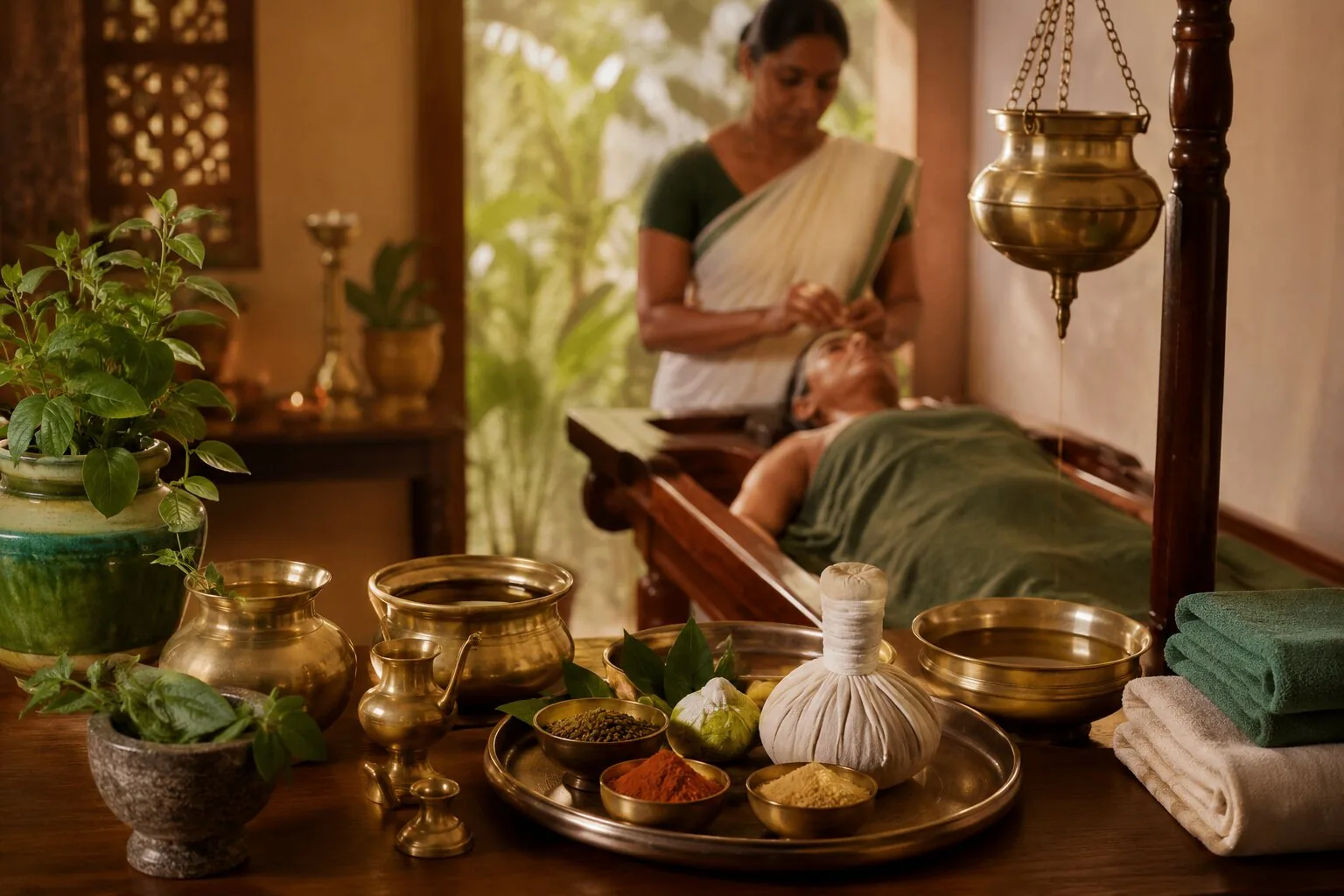
The Charaka Samhita, one of Ayurveda's foundational texts, identifies Varsha Rutu — the monsoon season, roughly July through October — as the ideal window for Panchakarma, the classical purification protocol. The reasoning is physiological rather than purely traditional: monsoon humidity opens the skin's pores, allowing medicated oils to penetrate more effectively than in drier months, while moderate temperatures avoid the dehydration risk that accompanies summer detoxification.
What This Looks Like in Practice
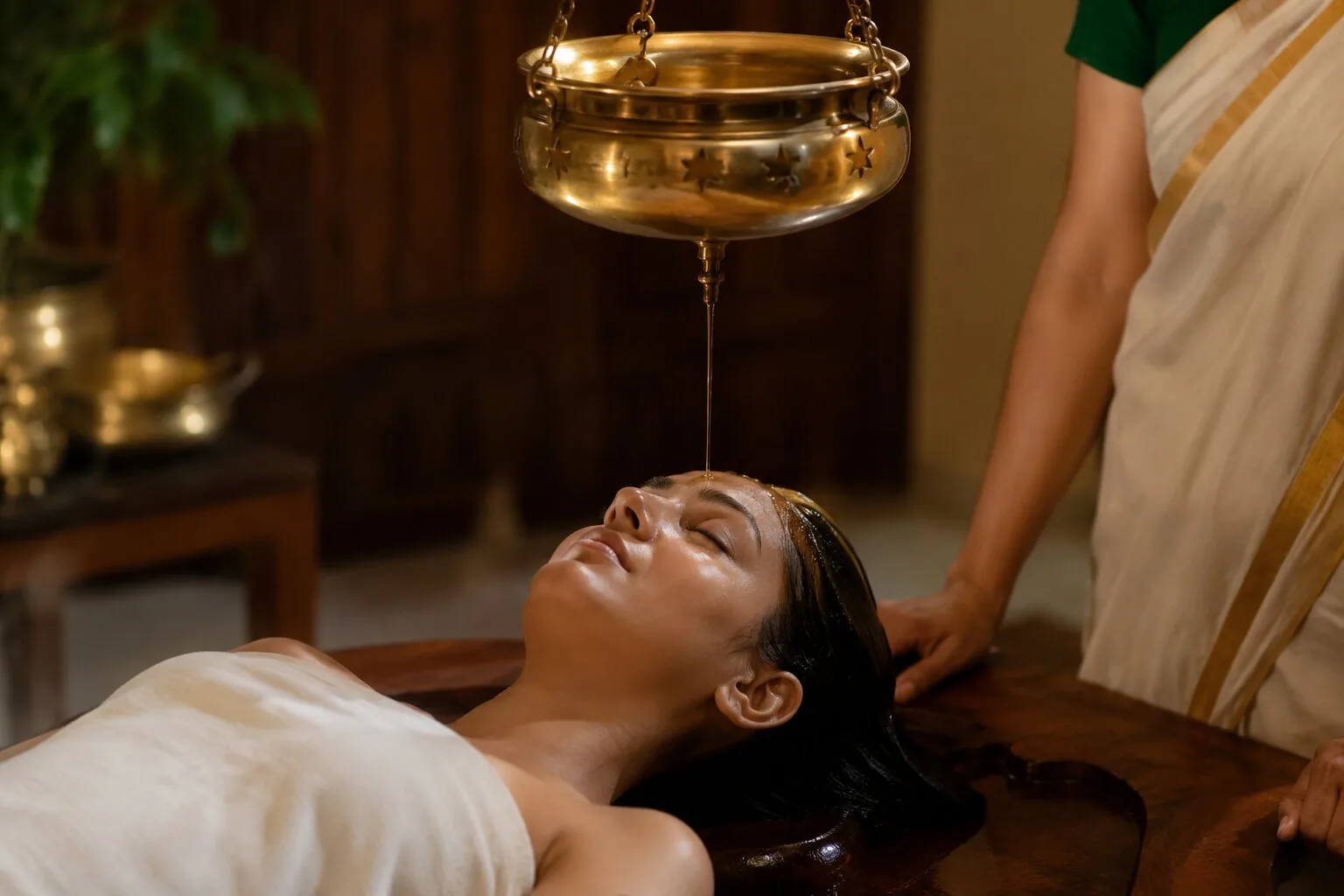
For a guest combining wellness treatment with a Kumbh pilgrimage stay, a typical sequence might run: lighter preparatory treatments (Abhyanga massage, herbal steam) in the first days, a deeper Shirodhara session timed for the afternoon following a Snan day — when the parasympathetic nervous system response is, by most accounts, especially pronounced — and further targeted treatments based on an initial physician consultation.
Why This Season Also Happens to Suit Pilgrimage
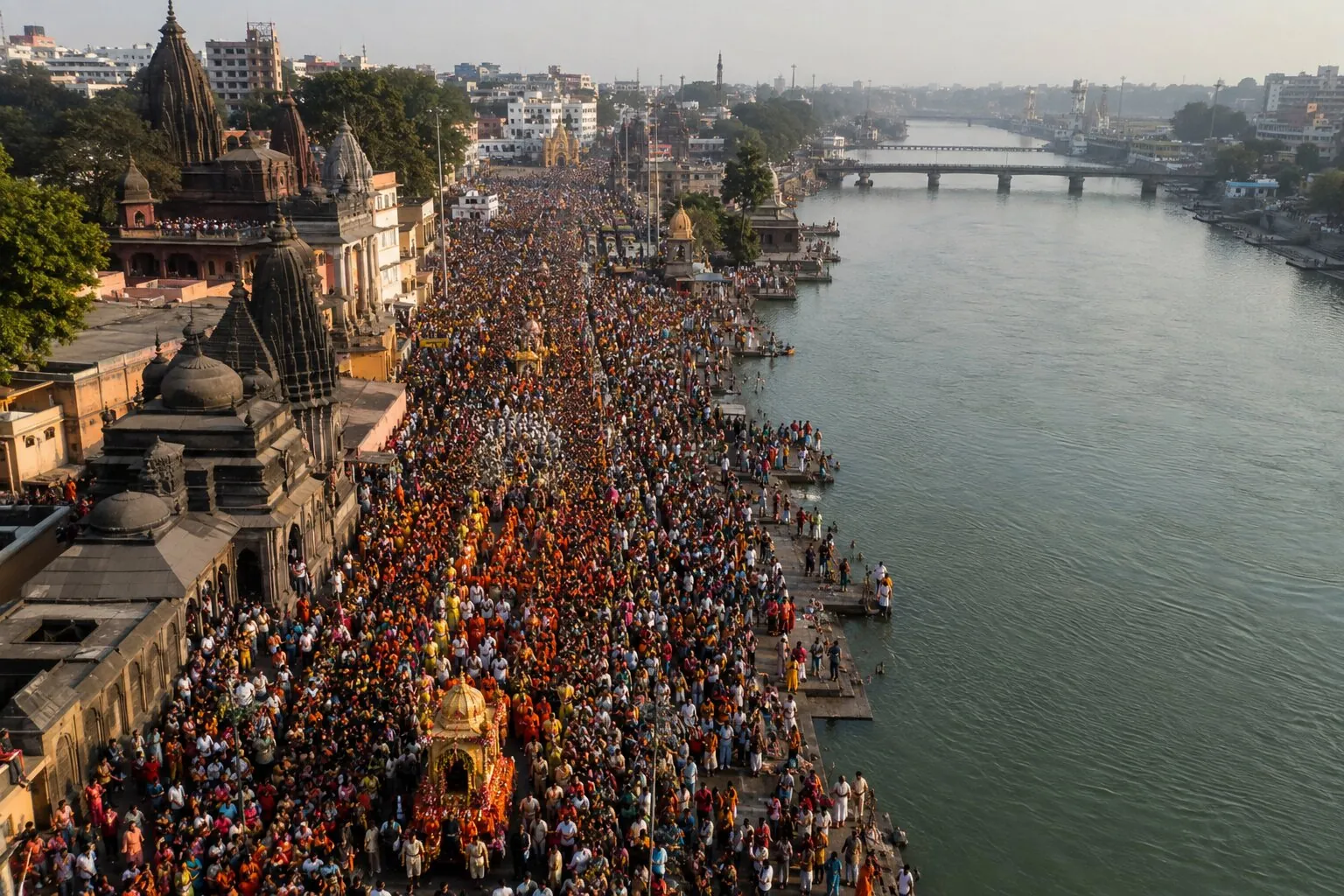
It's not a coincidence that the Nashik Kumbh's own July-to-September window overlaps almost exactly with Ayurveda's recommended treatment season. Both traditions independently arrived at monsoon as a season of deep internal work — one through sacred bathing and ritual, the other through physiological purification — which makes the two genuinely complementary rather than competing uses of the same trip.
Planning a Combined Trip
For anyone considering this combination, we'd recommend booking at least 5 to 6 nights to give both the pilgrimage programme and a meaningful treatment sequence proper room, and flagging your interest in Ayurvedic treatment at the time of accommodation booking, since our wellness centre's daily capacity is genuinely limited during peak Kumbh dates.
Experience Nashik Kumbh 2027 in comfort, safety and spiritual depth — Kumbh Ganga Retreat, 3 km from Trimbakeshwar Temple.
✦ Book Your Sacred Stay