Sustainable Pilgrimage: How Green Kumbh Practices Are Changing Mass Gatherings
A Framework Born From Necessity
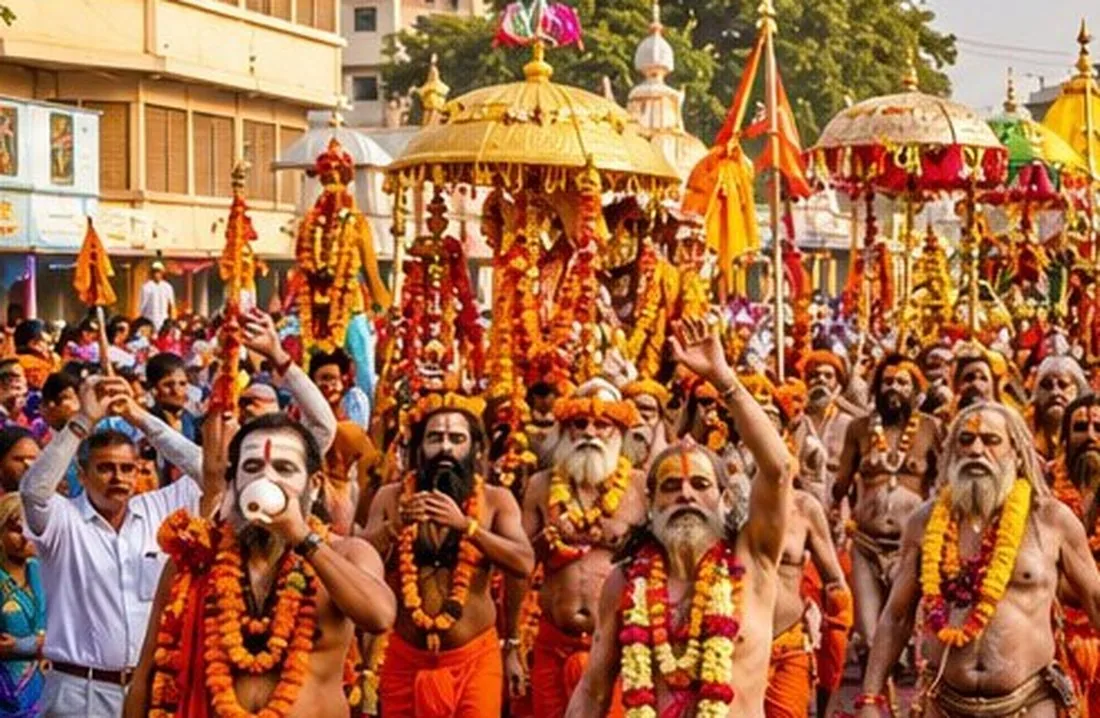
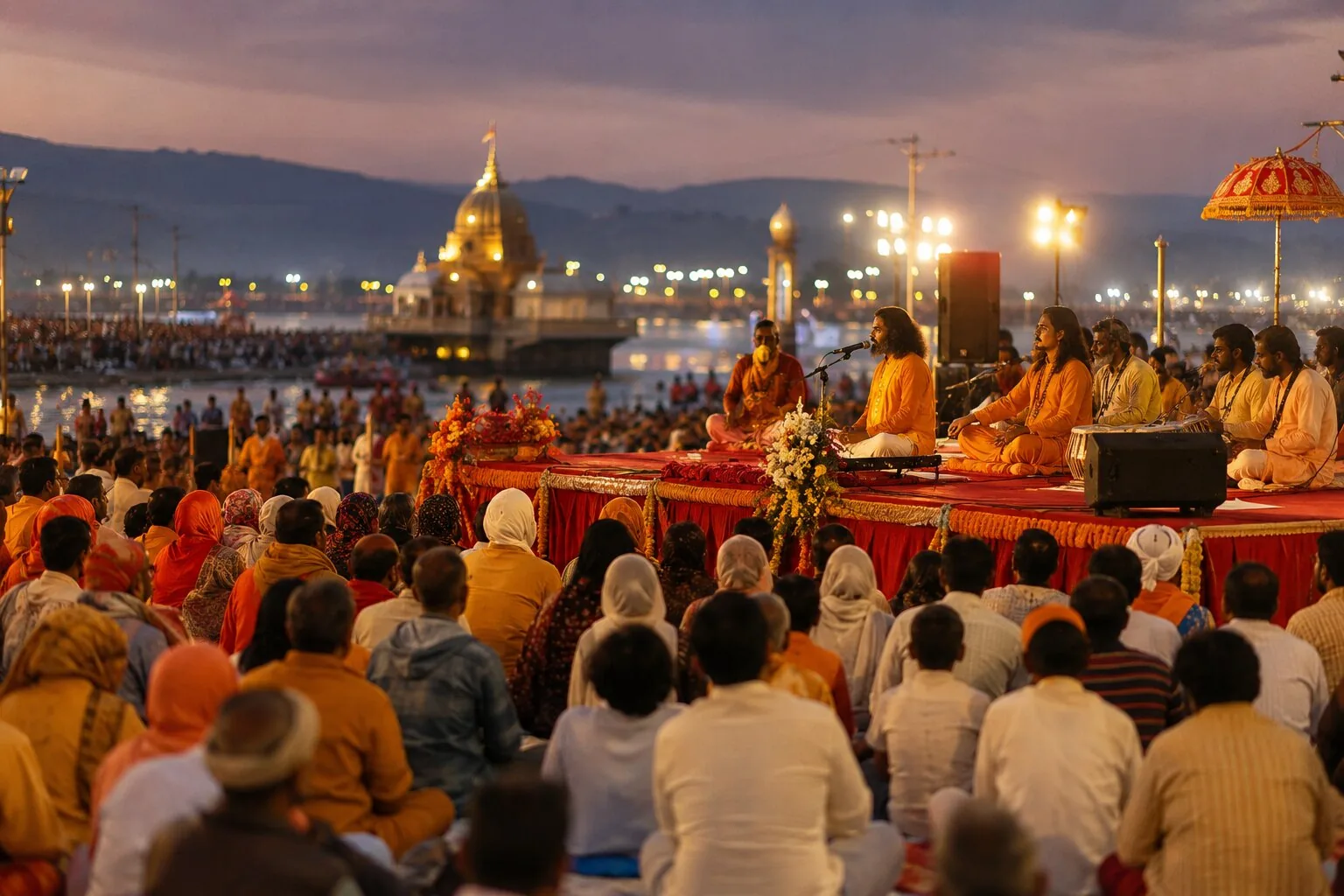
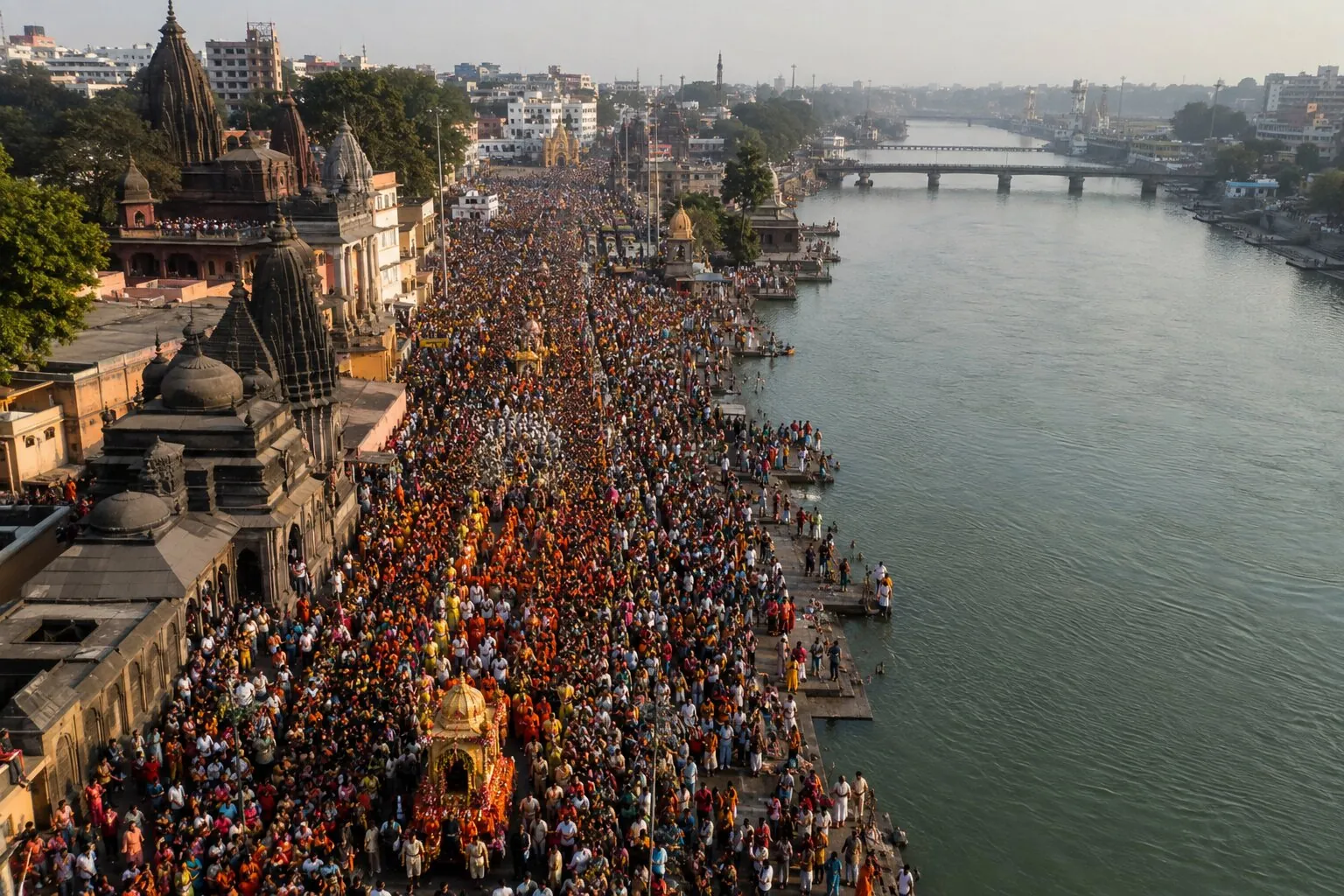
The scale of a Kumbh Mela — tens of millions of pilgrims converging on a single river system over a period of weeks — creates an environmental footprint that simply couldn't be ignored once it reached its current size. The Green Kumbh framework, first implemented at the 2019 Prayagraj Kumbh, was the administrative response: waste segregation infrastructure, single-use plastic restrictions, river-bank protection zones, and transport emission reduction measures built directly into festival planning.
Each subsequent Kumbh cycle has adopted the framework with increasing ambition.
What's Actually Changed on the Ground
Concretely, this means segregated waste bins deployed every 50 metres in primary crowd corridors, prohibitions on single-use plastic at food stalls, and specific protected zones along the riverbank where construction and vehicle access are restricted. Transport policy has shifted too — official messaging now actively encourages rail travel over private vehicles, both for crowd-management and emissions reasons.
What Individual Pilgrims Can Do
Beyond the administrative framework, the most impactful individual choices remain transport and waste — choosing rail over road where feasible, travelling in coordinated groups rather than scattered individual vehicles, and carrying a reusable water bottle and cloth bag rather than relying on single-use alternatives at the festival bazaar.
We cover the practical specifics of this — from our own property's environmental commitments to the sustainable transport tradeoffs pilgrims can make — in our dedicated eco-friendly travel guide.
Why This Matters Beyond the Festival
The Godavari sustains not just the Kumbh but the entire agricultural and drinking-water ecosystem of the region long after the festival crowds disperse. Treating the river and its surrounding watershed with genuine care during the festival isn't simply an administrative box-ticking exercise — it's a recognition that a Kumbh happening every 12 years needs the river to still be healthy for the one after it.
Experience Nashik Kumbh 2027 in comfort, safety and spiritual depth — Kumbh Ganga Retreat, 3 km from Trimbakeshwar Temple.
✦ Book Your Sacred Stay